


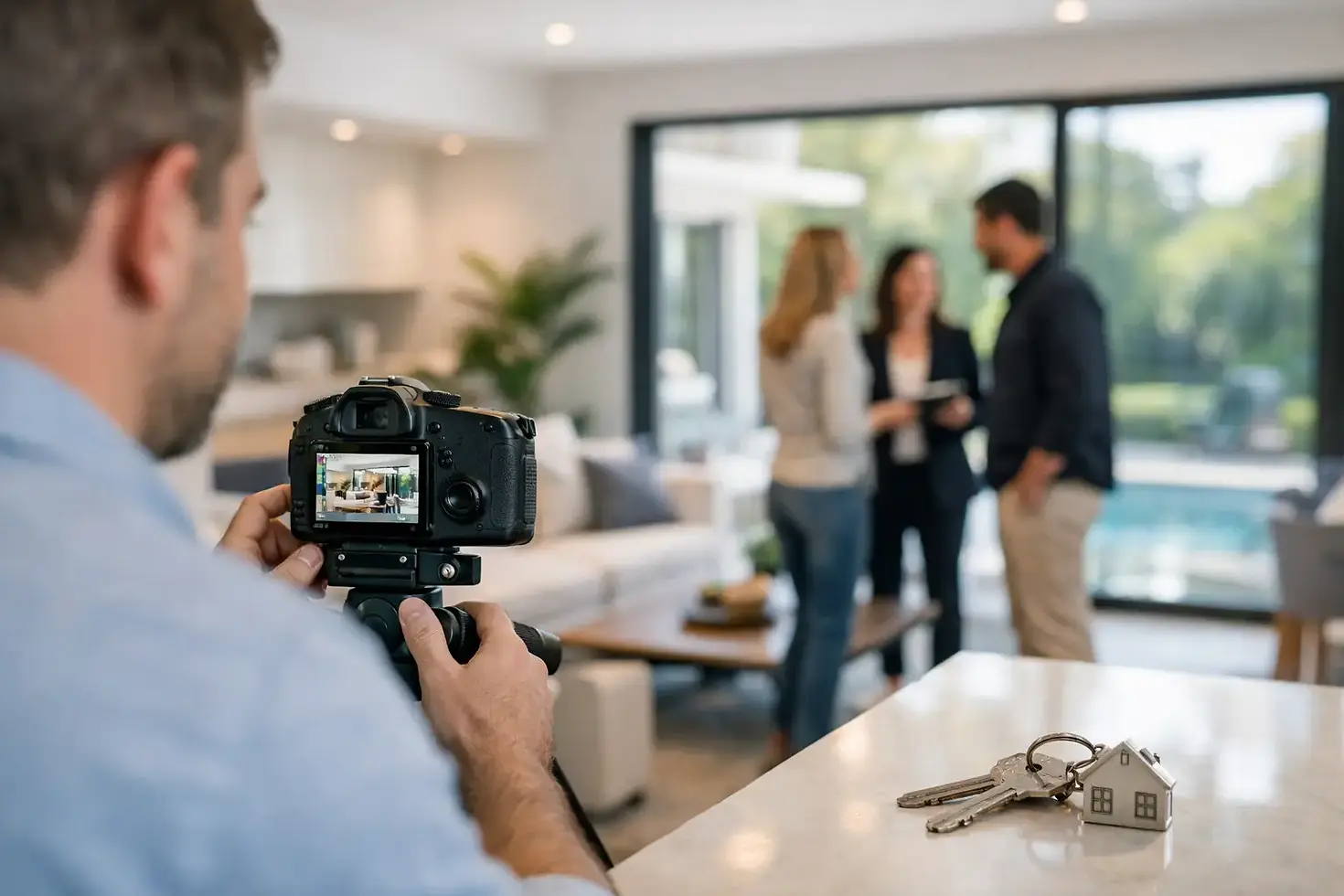
Real Estate Photography That Drives More Showings
A buyer scrolling through listings makes fast decisions. Before they read about the renovated kitchen, the school district, or the oversized yard, they see the photos. Real estate photography gives a property its first opportunity to feel bright, considered, and worth seeing in person.
For agents, sellers, landlords, and short-term rental hosts, strong images are not simply a finishing touch. They shape perceived value, create confidence, and help the right people imagine themselves in the space. A carefully photographed home can feel calm, spacious, and inviting before the first showing is booked.
Why Real Estate Photography Changes Buyer Behavior
Property marketing is visual by nature. Buyers and guests compare dozens of options on a phone or laptop, often within minutes. Dim rooms, crooked vertical lines, cluttered counters, or inconsistent color can make even a well-maintained property feel less appealing than it truly is.
Professional photography brings order to that first impression. The goal is not to make a home look artificial or unrecognizable. It is to show its best, most accurate character through clean composition, balanced lighting, and perspectives that make sense to the viewer.
A wide, thoughtfully composed image can explain how a living room connects to a dining area. A well-lit kitchen image can reveal the quality of cabinetry, countertop space, and natural light. A close detail of a fireplace, tile finish, or custom fixture can communicate care and design. Together, these images help a viewer understand both the layout and the feeling of the property.
This matters across property types. A family home may need to communicate flow, storage, and outdoor living. A city apartment may benefit from showing architectural lines, views, and efficient use of space. An Airbnb or vacation rental needs images that make guests picture mornings at the table, evenings on the patio, and the comfort of a restful bedroom.
The Difference Is in Light, Perspective, and Preparation
Good property images look effortless because the work happens before and during the shoot. A photographer considers where the strongest light falls, which rooms need supplemental lighting, and how to capture a complete visual story without repeating the same angle.
Natural light is often one of a home's most valuable assets, but it needs to be handled carefully. Bright windows can easily turn into white, empty rectangles while the room becomes too dark. Professional exposure and retouching preserve a more natural balance, so interiors feel illuminated while windows still show the view beyond them.
Perspective is equally important. Camera height, lens choice, and composition influence whether a room feels welcoming or distorted. Extremely wide images can make spaces appear larger, but overusing them may create an unrealistic result. A refined approach uses wide angles to explain the room while keeping walls, doorways, and furnishings believable.
Vertical lines are another quiet signal of quality. When cabinets, walls, and door frames lean in different directions, the image can feel rushed, even when viewers cannot explain why. Corrected lines and intentional framing create the polished, stable appearance that supports a premium listing presentation.
Preparation gives the photographer stronger material to work with. Before the session, it helps to remove personal photos, pet supplies, loose cords, magnets, overflowing counters, and excess furniture. Open blinds where the view adds value, turn on interior lights, and make beds with simple, smooth linens. The space does not need to look staged beyond recognition. It simply needs room for its best features to be seen.
For a smooth photo day, focus on these practical details:
Clear kitchen and bathroom counters, leaving only a few intentional decorative pieces.
Hide trash bins, cleaning products, remote controls, and visible charging cables.
Straighten pillows, rugs, dining chairs, and towels for a calm, finished look.
Mow the lawn, sweep entry paths, and move vehicles when exterior access allows.
These small choices are especially valuable because cameras notice visual distractions that people often overlook in person.
Real Estate Photography Is a Visual Tour, Not a Collection of Rooms
The strongest listings do not treat every room as an isolated box to document. They create a visual sequence. Exterior images establish arrival and curb appeal. Entry and living areas introduce the home’s tone. Kitchens, bedrooms, bathrooms, and outdoor spaces complete the story by showing function, comfort, and lifestyle.
This sequence should follow the property rather than a rigid formula. In a home with an exceptional kitchen, that room may deserve several complementary images: a wide view for layout, an angle that shows connection to the living space, and a detail that captures the finish quality. In a rental with a remarkable balcony or pool area, those amenities may be the images that earn the click.
Not every space needs equal attention. A narrow utility room may only require one clean image, while a light-filled primary suite may be central to the marketing strategy. The right number of photos depends on the size of the property, its standout features, and where the listing will appear.
There is also a useful balance between wide shots and detail images. Wide images answer, “What is this space like?” Details answer, “Why is this property special?” Too many wide shots can feel repetitive. Too many close-ups can leave buyers unsure of the actual layout. A complete gallery gives viewers both clarity and atmosphere.
When Video, Twilight Images, and Aerials Add Value
Still photography is the foundation of most property marketing, but some listings benefit from additional visual tools. The decision should be based on what the property has to say, not on adding media for its own sake.
Video is especially effective when movement reveals the experience of the home. It can show the path from an open kitchen to a covered patio, the scale of a double-height living area, or the relationship between indoor and outdoor entertaining spaces. For short-term rentals, video can also help guests understand the arrival experience and the flow of shared spaces.
Twilight photography can create a more elevated mood for homes with strong exterior lighting, pools, landscaped outdoor areas, or a beautiful view. The warm glow from interior and exterior lights can make a property feel memorable in a crowded feed. It is less useful when the exterior has limited lighting or when the home’s strongest selling point is daytime natural light.
Aerial photography is valuable when location and land are part of the story. Larger lots, waterfront settings, proximity to parks, distinctive architecture, and neighborhood context can be difficult to communicate from ground level. For a compact condo without meaningful exterior context, aerials may add less than an excellent set of interior and view-focused images.
The most effective package is the one that directs attention to the property’s actual advantages. A thoughtful photographer can help determine where an extra service will create a clear marketing return.
Retouching Should Refine, Not Mislead
Editing is where visual consistency comes together. Professional retouching can correct exposure, color balance, window views, minor distractions, and perspective while maintaining a natural presentation. It helps every image in the gallery feel like it belongs to the same property and the same standard of care.
There is a line between refinement and misrepresentation. Removing temporary distractions or improving a gray sky may be appropriate depending on the listing and local expectations. Altering permanent defects, changing the size of a room, or adding features that do not exist is not. Buyers should arrive feeling that the home matches the promise of its photos.
That honest polish is what builds trust. The best images make a home feel aspirational while still allowing buyers and guests to recognize it immediately when they walk through the door.
Choosing a Photographer Who Understands the Listing Goal
A portfolio matters because it shows more than technical ability. Look for consistency across bright interiors, darker rooms, compact spaces, luxury finishes, and exterior scenes. The photographer should know how to find a flattering perspective without hiding the practical reality of the property.
Service matters too. Real estate moves quickly, so clear scheduling, preparation guidance, dependable delivery, and images sized for listing platforms can reduce pressure for agents and owners. A photographer who communicates well can make the process easier for everyone involved, including occupants preparing the home.
Everywhere Studio approaches each property as both a design subject and a marketing opportunity. The focus is on clean imagery, careful lighting, refined composition, and finished photographs that help the listing feel ready for attention.
When a property is prepared with care and photographed with intention, viewers do more than notice it. They pause, picture their life there, and take the next step toward a showing or booking.
Comments