


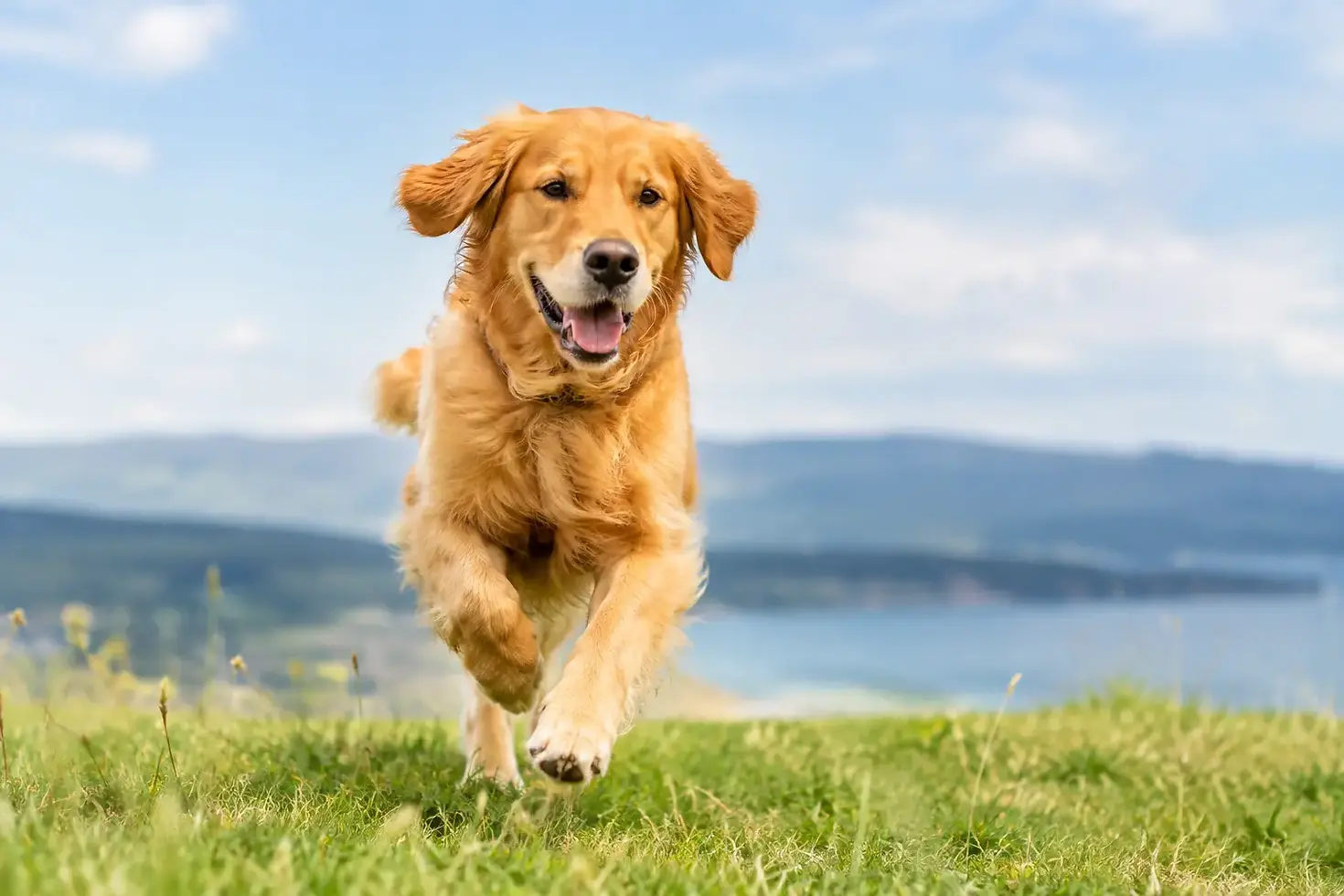
Pet in Action Photography That Feels Alive
A dog catching a favorite ball, a cat stretching toward a sunlit window, or a puppy racing through the yard can happen in a second. Pet in action photography preserves those quick, expressive moments with the same care given to a meaningful portrait: thoughtful light, clean composition, and a perspective that feels true to the animal you love.
The best action images are not simply proof that a pet was moving. They show character. Ears lifted in anticipation, paws off the ground, a focused gaze, or the familiar happy chaos of a game can turn an ordinary afternoon into a photograph worth displaying for years.
Why Pet in Action Photography Feels So Personal
Pets rarely perform on command in the way people expect. That unpredictability is part of their charm, but it also makes a well-made action photograph more valuable. The image captures a real expression rather than a posed version of one.
For many owners, the smallest details carry the most feeling: the way a senior dog trots when called, the dramatic pounce of a young cat, or the uncontained excitement that appears when a leash comes out. These are the gestures that become part of a family’s story. A polished photograph gives them a lasting place beyond a phone gallery.
Action sessions also create images with visual energy. Movement gives photographs direction and emotion, whether a pet is running across an open field or playing in a carefully chosen indoor space. When timing, light, and setting work together, the result can feel effortless while still looking refined enough for a framed print, gallery wall, or personal keepsake.
Start With the Pet, Not the Pose
A successful session begins by understanding what brings out a pet’s natural personality. Some dogs light up for a tennis ball. Others will ignore every toy but respond instantly to a favorite treat, a familiar voice, or the chance to run beside their person. Cats may be most active during a short play session with a wand toy, often in the comfort of their own home.
There is no benefit in forcing a high-energy look from a pet that is naturally gentle or reserved. A quiet dog moving through tall grass, or a curious cat tracking something just outside the frame, can make a beautiful action image. The goal is not maximum speed. It is an honest photograph with movement that suits the animal.
Before the session, share practical details with your photographer: your pet’s temperament, recall ability, favorite reward, sensitivities, and any physical limitations. This helps shape a plan that is safe, realistic, and enjoyable. For an excitable dog, a fenced yard or enclosed park may be the best choice. For a nervous pet, a familiar room with soft window light may produce stronger images than a busy public location.
Choose a Setting With Room to Move
The setting should support the story without competing with it. Open shade, uncluttered paths, a quiet beach, or a clean backyard can all work well because they allow the pet to move naturally while keeping the background visually calm.
A location with too many distractions can make it harder for the pet to focus and can leave the final frame feeling busy. On the other hand, a meaningful location may be worth the extra planning. A dog that spends every weekend hiking with its family may look most at home on a favorite trail. A cat with a bright, playful personality may be best photographed near the window where it watches the world go by.
Light matters as much as location. Soft morning or late-afternoon light is often flattering, creating dimension in fur and avoiding harsh shadows around the eyes. Bright midday sun can still be workable in open shade, but it requires more careful positioning. Clean light is not just a technical preference. It helps viewers see expression, texture, and movement clearly.
The Details That Make Movement Look Beautiful
Pet action photography depends on timing, but timing alone is not enough. A photographer needs to anticipate where the pet will move, preserve sharp detail at the right instant, and frame the scene so the energy feels intentional rather than accidental.
A strong action image often leaves space in front of a running pet, giving the movement somewhere to go within the frame. The eyes remain especially important. Even in a fast-paced image, sharp, engaged eyes create connection and give the photograph emotional weight.
Background choice is equally important. A clean background helps fur color and expression stand out, while a distracting one can pull attention away from the subject. This is where a design-led approach makes a visible difference. The final photograph should feel considered, from the angle of the light to the separation between pet and background.
Professional finishing also matters. Natural retouching can remove small distractions, balance color, and refine exposure without erasing the real details that make a pet recognizable. A white patch of fur, a weathered nose, or a slightly uneven ear is not something to correct away. Those details are often what make the image feel like your pet.
Expect Breaks and Imperfect Moments
Action photography works best when there is room for pauses. A short break for water, sniffing, reassurance, or play can reset a pet’s attention and lead to better images. Sessions should be paced around the animal, not rushed around a fixed schedule.
Not every planned shot will happen, and that is perfectly normal. A dog may decide the stick is more interesting than the camera. A cat may take a break under the sofa. Rather than treating these moments as setbacks, an experienced photographer adjusts the approach. Sometimes the unexpected photograph becomes the one that feels most personal.
Owners can help by staying relaxed. Pets often respond to their person’s energy, so there is no need to repeatedly correct, call, or direct them unless asked. Bring a favorite toy, rewards that are easy to handle, water, and a towel if the location includes grass, sand, or water. Most importantly, allow your pet to be itself.
Creating Images You Will Want to Keep
The most useful pet session usually includes more than one kind of image. Alongside fast movement, it is worth capturing a few quieter frames: a close-up after play, a proud sit, a head tilt, or a pet looking toward its owner. Together, these images create a fuller visual record of personality.
Consider where the photographs will live after the session. A dynamic running image can make a striking large print in an entryway or living room. A close crop of a joyful expression may suit a smaller framed piece on a desk. A cohesive set can also complement family portraits and bring warmth to a home without feeling overly staged.
For clients who value polished visual storytelling, Everywhere Studio approaches pet photography with attention to light, composition, and the individual details that make each animal memorable. The aim is simple: create images that feel beautiful now and become more meaningful with time.
The next time your pet races toward you, leaps for a toy, or pauses with that unmistakable look in its eyes, notice the moment before trying to organize it. Those flashes of movement are already part of the story. With thoughtful planning and a patient eye behind the camera, they can become photographs that keep the feeling close.
Comments